
Most brands don’t actually have a “content problem.” They have a timing problem.
The same post that underperforms in July can outperform in November without changing a single word.
That’s the part most social strategies still underestimate: social media performance isn’t just about content quality. It’s about when your audience is actually paying attention.
Seasonal shifts in behavior play a bigger role in engagement than most marketers realize. But seasonality isn’t just about holidays or trends. It’s about attention, intent, and how people interact with content differently throughout the year.
Understanding that shift is what turns a reactive content calendar into a year-round strategy.

Seasonal Trends in Social Media Engagement
Seasonal trends influence more than just what people post. They influence how actively audiences engage, how much attention they’re willing to give content, and how likely they are to take action.
Instead of thinking about seasonality as “content themes,” it’s more useful to think about it as attention cycles throughout the year.
Spring Online Engagement
Spring isn’t just a “fresh start” season. It’s a behavior reset period.
After winter, audiences tend to re-engage with content more actively, experiment with new interests, and respond more strongly to inspiration-led messaging.
For brands, this is a strong testing period. Content that introduces new ideas, fresh visuals, or aspirational messaging tends to perform well.
Seasonal moments like Earth Day, spring launches, and travel planning also create natural spikes in engagement.
Brands can capitalize on these themes by crafting content that resonates with the spirit of rejuvenation and enjoying the great outdoors.
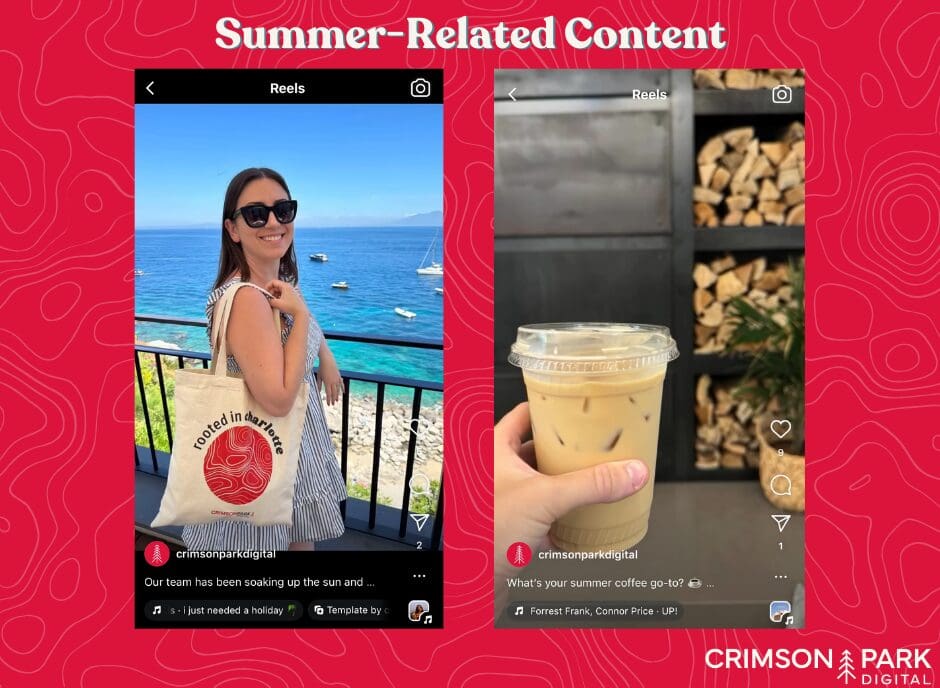
Summer Online Engagement
Summer is often misunderstood as a “low engagement” season.
In reality, it’s a fragmented attention season.
People are still online, but their attention is split between travel, outdoor activity, and less structured routines. This means content needs to work harder to earn engagement.
Short-form, lightweight, and entertainment-driven content tends to outperform during this period. Overly complex or high-friction messaging often underperforms.
Fall Online Engagement
Fall is one of the strongest seasons of intent and decision-making.
As routines return, audiences become more consistent in their online behavior and more responsive to structured content.
This is when planning behavior increases:
- Back-to-school
- Business planning cycles
- Event scheduling
- Budgeting and Q4 strategy
Content that is practical, informative, or decision-supportive tends to perform especially well.
Winter Online Engagement
Winter is the highest emotional and conversion-driven season of the year.
Holiday content drives engagement, but beyond that, audiences are more receptive to:
- storytelling
- community content
- gift-driven messaging
- reflective or “year-in-review” narratives
This is also a strong period for conversion-focused campaigns, as intent tends to be higher across both B2C and B2B audiences.
Leveraging Social Media Platforms Year-round
Different platforms don’t just behave differently; they also respond differently to seasonal attention shifts.
A strong social strategy isn’t just platform-specific. It’s season and platform aligned.
Platform-Specific Trends
Instagram Seasonality
Instagram performs best when visual attention is high. During peak lifestyle seasons like summer and winter, visual storytelling, Reels, and behind-the-scenes content tend to perform especially well.
Facebook Seasonality
Facebook continues to perform strongly in community-driven and event-based seasons.
It is especially effective during:
- Holiday periods
- Local events
- Seasonal promotions
- Community storytelling moments
Its strength lies in familiarity and shared experience rather than fast-moving trends.
LinkedIn Seasonality
LinkedIn engagement tends to increase during planning-heavy periods like Q1 and Q4.
This is when audiences are most focused on:
- strategy
- budgets
- forecasting
- performance reflection
Seasonal insight and industry analysis tend to perform best here, especially when tied to real business outcomes.
Best Practices for Adapting Content for Each Platform Based on Seasonal Trends
- Tailor your content marketing strategy to fit the platform’s strengths and user preferences.
- Incorporate seasonal themes and trends into your content calendar, ensuring each post aligns with the specific platform.
- Take advantage of platform-specific features such as Instagram Stories or LinkedIn polls to further engage your audience.
- Regularly monitor analytics to understand which types of content performs best on each platform during different seasons.
Social media seasonality isn’t about holidays, it’s about attention behavior
Most brands approach seasonal content as a calendar exercise.
But the real driver of performance is not the season itself, it’s how audience behavior shifts within that season.
Attention expands and contracts throughout the year. Intent rises and falls. Decision-making cycles change.
Brands that understand this aren’t just planning content around dates. They’re planning content around when their audience is most likely to think, engage, and act.
Leveraging Data and Analytics for Social Media Engagement
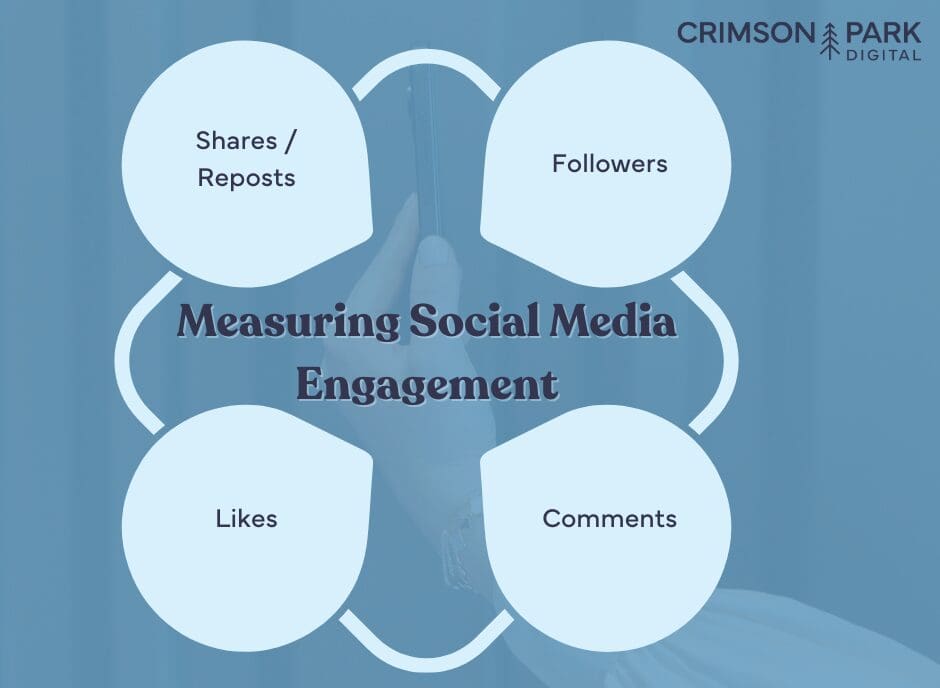
Monitoring key social media engagement metrics throughout the year provides valuable insights into how your content resonates with your audience and performs over the seasons.
Key metrics to monitor include:
- Likes, Shares, Comments: These metrics indicate how well your content is received by your audience.
- Click-through Rate (CTR): CTR measures the percentage of users who clicked on a link or CTA in your posts, indicating how compelling your content is in driving action.
- Reach and Impressions: These metrics show the number of unique users who have seen your content.
Adapting Social Media Strategies For Every Season
A strong social strategy isn’t just a content calendar. It’s a system that adapts to how audience attention changes throughout the year.
Creating a Year-Round Social Media Content Calendar
A strong content calendar balances:
- evergreen content
- seasonal moments
- platform-specific behavior
- audience intent shifts
The goal isn’t to post more. It’s to post with better timing and relevance.
Importance of Flexibility in Social Media Strategies
Flexibility is what allows brands to respond to real-time shifts in attention and engagement.
The strongest strategies aren’t rigid calendars; they’re adaptive systems that respond to behavior, not just dates.
To create the best content marketing calendars, ensure you are monitoring real-time conversations and trending social media topics to capitalize on any current opportunities. Stay alert and active in adjusting content; the best marketing strategies leverage current events and user feedback to enhance the overall campaign.
Turning seasonality into a content strategy advantage
Seasonality in social media isn’t just about holidays or content themes. It’s about understanding how attention shifts throughout the year and using that insight to guide what you publish, when you publish it, and why it matters in that moment.
Brands that align content with audience behavior don’t just see better engagement. They see more consistent performance year-round.
If your social strategy feels inconsistent across the year, it’s usually not a content issue, it’s a timing issue.
That’s where we help brands at Crimson Park Digital. We build content strategies that align with how audiences actually behave across seasons, platforms, and decision cycles.


