But here’s the shift most restaurants are still catching up to. People don’t discover you when they’re walking by anymore. They discover you while scrolling.
They’re on their couch, half paying attention, saving posts, sending places to friends, and mentally building a list of “we should try this” spots. That’s where the real first impression happens.
Social media is not just about supporting your restaurant. It’s introducing it. The menu closes the deal once they’re there, but social media is what gets them through the door in the first place.
Your Menu Tells. Social Media Shows.
A menu does exactly what it’s supposed to do. It lists your food. But it leaves a lot unsaid.
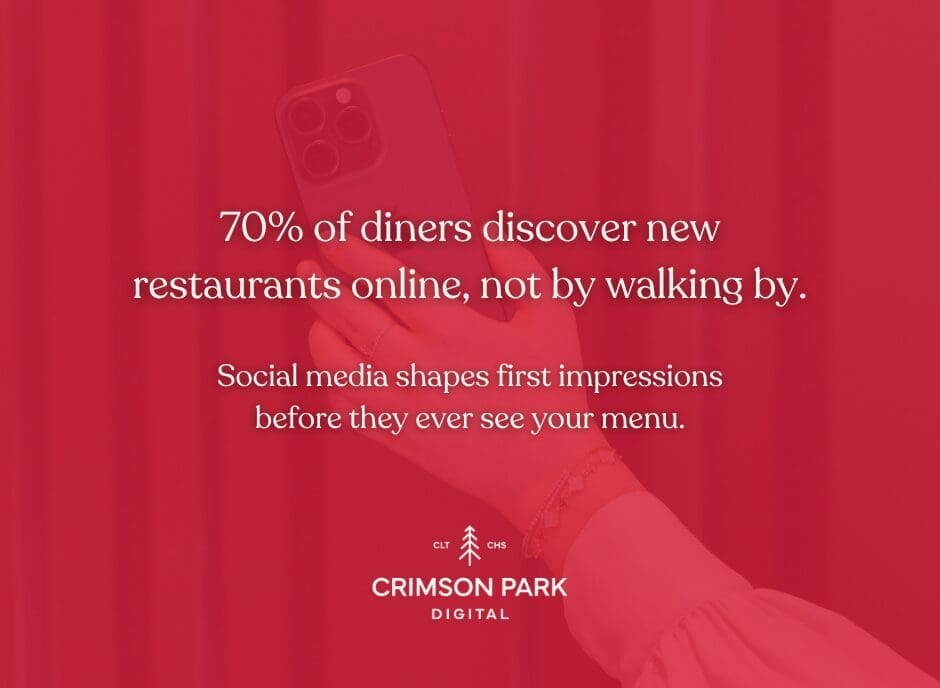
It doesn’t show the energy of a busy night. It doesn’t capture the vibe of your space or the personality of your team. It doesn’t give someone a reason to feel excited about choosing you over the place down the street. That’s the gap social media fills.
Instead of asking someone to imagine what your restaurant is like, you’re showing them. The atmosphere, the experience, the little moments that actually make it memorable. That context is what turns interest into action.
First Impressions Happen Before the First Visit
Think about how quickly someone forms an opinion while scrolling. A few seconds, maybe less.
In that moment, they’re subconsciously sizing you up. Is this place worth trying? Does it fit the kind of night I’m looking for? Would I tell my friends about it?
Your social presence answers those questions, whether you’re being intentional about it or not. It becomes your digital storefront, shaping perception before anyone ever checks your hours or looks at your menu.
It’s Not About the Perfect Plate Shot Anymore
There was a time when a clean, well-lit photo of a dish did the job. That’s not really enough anymore.
People don’t follow restaurants just to see food. They follow accounts that feel interesting, entertaining, or at the very least, not forgettable.
The content that tends to stick usually has a little more personality behind it. It might be a quick behind-the-scenes clip, a moment from the kitchen, or something simple that feels real instead of staged.
That shift matters. The more natural your content feels, the more likely people are to engage with it rather than scroll past.
What Actually Moves the Needle for Restaurants
This is where most restaurants either overcomplicate things or miss the mark entirely.
It’s not about doing everything. It’s about doing the right things consistently.
Strong restaurant social media usually comes down to a few key elements working together:
- Showing the people behind the brand so it feels human, not transactional
- Creating content that blends into the platform instead of interrupting it
- Using video intentionally to increase reach and visibility
- Staying consistent enough to remain top of mind
None of this is groundbreaking on its own. But when it’s done with intention, it adds up quickly.
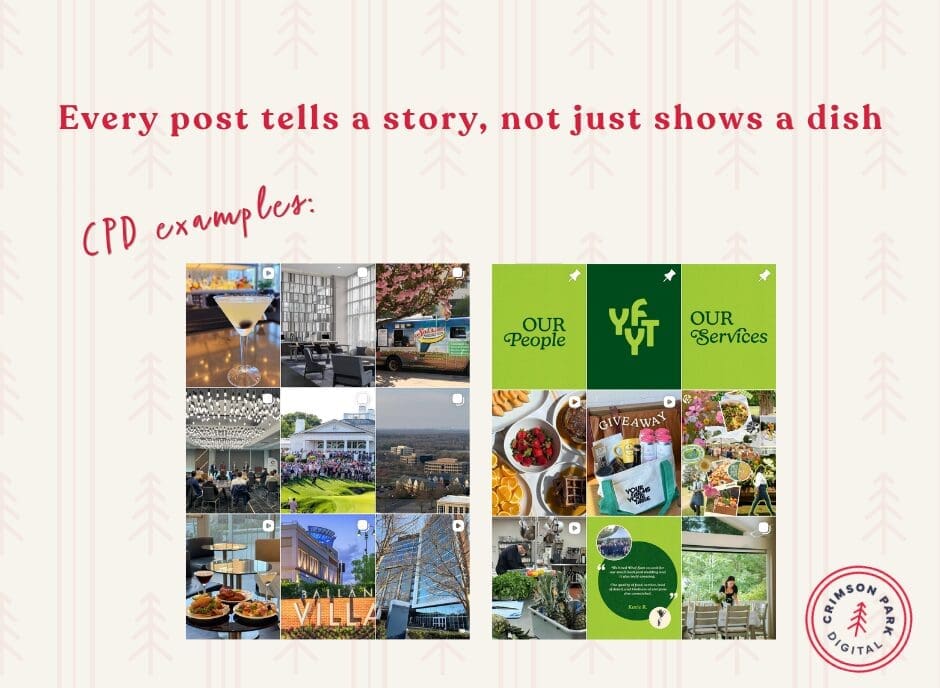
Turning Attention Into Actual Customers
Getting someone to notice your restaurant is one thing. Getting them to choose it is another.
Social media helps bridge that gap.
The more often someone sees your restaurant, the more familiar it feels. And familiarity builds trust faster than most people realize. By the time they’re deciding where to go, your name already feels like a safe, easy choice.
You’re not introducing yourself in that moment. You’re reinforcing something they’ve already seen.
Let Your Customers Do Some of the Talking
One of the most effective ways to build trust is to not be the one talking at all.
When customers post about your restaurant, tag your location, or share their experience, it carries greater credibility. It’s not marketing. It’s a peer recommendation.
Those moments do a lot of heavy lifting:
- They show real experiences, not curated ones
- They introduce your restaurant to new audiences
- They reinforce that people genuinely enjoy being there
Sharing and engaging with that content builds a stronger sense of community while also giving your brand more depth.
Influencers, But Only When It Makes Sense
Influencer marketing gets thrown around a lot in social media marketing for restaurants, but it’s not always as simple as it sounds.
A large following doesn’t automatically translate to real results. What matters more is alignment. Does their audience match the people you actually want in your restaurant? Does their content feel natural and trustworthy?
When those pieces line up, it can be a great way to get in front of new people. When they don’t, it ends up being more noise than impact.
There’s Strategy Behind the Scroll
From the outside, social media can look random. Some posts perform well, others don’t, and it’s not always obvious why. But once you start paying attention to the data, patterns become clear.
You begin to see what people are saving, what they’re sharing, and what they’re ignoring. That insight shapes your approach over time and helps you focus on what actually resonates. It turns social media into something much more intentional than just posting and hoping for the best.
The Reality Most Restaurants Face
Running a restaurant is already demanding. Social media usually falls somewhere between “we should be doing this more” and “we’ll get to it later.”
So it ends up looking like this:
- A few posts here and there
- Long gaps with no activity
- Content that feels rushed or inconsistent
It’s not a lack of effort. It’s just not the priority when everything else needs attention. But that inconsistency has a real impact on visibility and growth.
Where It Starts to Click
When social media is handled with intention, things start to shift.
People mention they found you online. You see more tags, more shares, more familiar names coming back in. There’s a connection forming before they even walk through your doors. It stops feeling like a guessing game and starts working as a reliable channel for attracting new and repeat diners.
Where Most Restaurants Leave Opportunity on the Table
A lot of restaurants know they “should” be on social media. That’s not the problem. The gap is usually in execution.
It’s easy to fall into patterns that feel productive but don’t actually move the needle. Posting only when there’s a promotion. Sharing the same type of content over and over. Treating social like a checkbox instead of a channel that can drive real revenue.
The biggest missed opportunities tend to look like this:
- Posting without a clear goal behind the content
- Focusing only on what you want to say instead of what your audience wants to see
- Not adapting based on performance or trends
- Letting long gaps break momentum
None of these are major mistakes on their own. But over time, they add up and limit how much impact your content can actually have.
That’s usually the point where restaurants start to feel like social media “isn’t working,” when in reality, it just hasn’t been approached strategically yet.
The Bottom Line
Great food keeps people coming back. Social media gets them in the door in the first place.
The restaurants that are growing right now are thinking beyond the plate. They’re paying attention to how they show up online and how that translates into real-world traffic.
And while it might seem simple from the outside, there’s a big difference between posting content and building something that consistently drives results.

That’s where Crimson Park Digital comes in. We help restaurants turn social media into a true growth channel, not just another item on the list. If your content isn’t bringing people through the door, it might be time to rethink the approach. Let’s chat!