Before you dive into outreach, here’s a quick look at the four main types of influencers and how they can support your brand’s next move.
What are the 4 Types of Social Media Influencers?
The 4 types of social media influencers are based on their amount of profile followers:
- Nano: 10,000 followers or fewer
- Micro: 10,000 – 100,000 followers
- Macro: 100,000 – 1 million followers
- Mega: Over 1 million followers
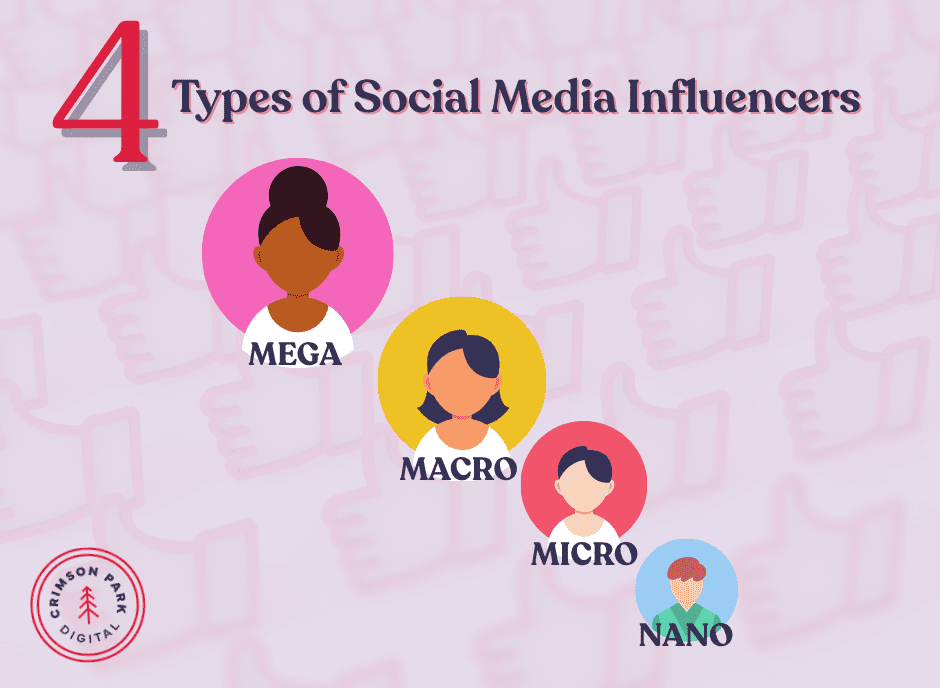
Understanding the nuances between these types of social media influencers, and the pros and cons can help you make the most strategic choice for your business and set your campaign up for success.
Nano Influencers
Nano influencers have anywhere from 1 to 10,000 followers on their social media channels. What sets this group apart from other types of influencers is that their following is mostly composed of their own community members. They may have a following of locals due to a status position in the local government, neighborhood, or a group within those communities.
Nano Influencers are touted as “regular people” who can bring a brand to the immediate attention of their concentrated audience. These individuals are more likely to create their own content, presented in an extremely authentic way.
Local restaurants may partner with nano influencers to promote new menu items or weekend specials. Boutique hotels can also use them to showcase stays to nearby travelers.
The Pros of Using Nano-Influencers
- Credibility: Nano-influencers generally know their followers on an intimate level, so the brands they partner with are well received–especially when the brand aligns with the group’s niche or location.
- Locality: Partnering with a nano-influencer to promote a shop’s location or local event can be an especially effective way to increase awareness within the local community.
- Low cost: The low cost of working with nano influencers makes this partnership attainable for small businesses or those with low marketing budgets.
- High Engagement: Because this group’s followers are most likely people they interact with within the real world, they have the highest engagement out of the other types of influencers.
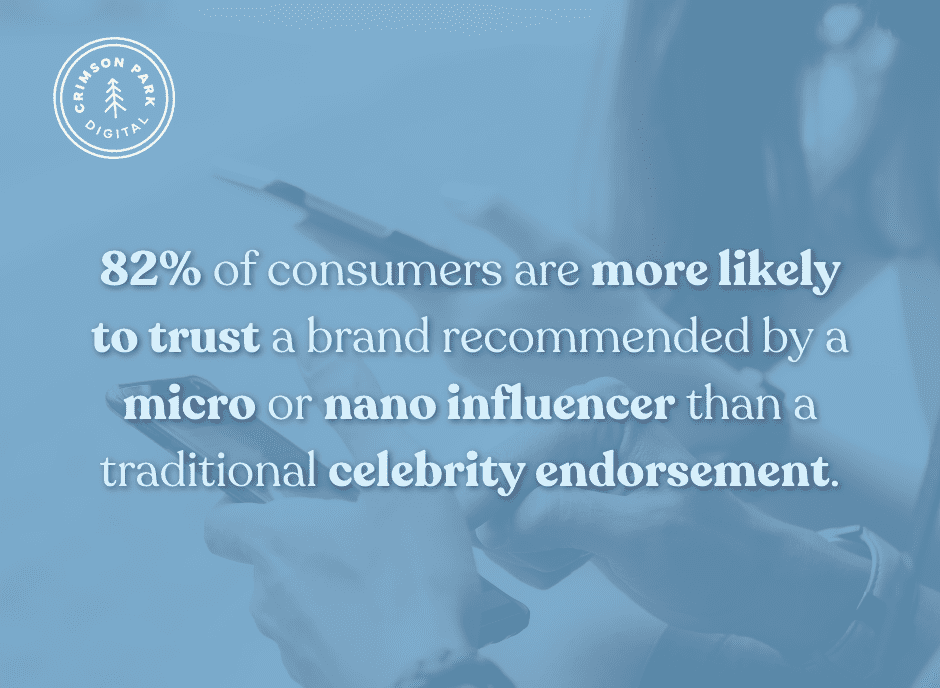
- Increased Conversions: High engagements lead to higher conversion rates due to followers’ innate trust for nano influencers. It’s easy to see how people would trust someone they know personally more than a celebrity or mega influencer.
The Cons of Using Nano Influencers
- Lack of experience: Due to their smaller following, nano-influencers may not understand the benefit they can bring to brands and thus create less professional content. This may mean that a little more responsibility falls onto the brand to guide the campaign’s content ideas.
- Low Reach: Nano influencers’ reach is the lowest of the influencer groups which means you may need to partner with multiple nano-influencers in a community or create supplemental campaigns to make a strong impact.
- Hard to Find: Finding an influencer with this type of following may require more preliminary research on your part, to ensure you’re reaching the correct audience.
Micro-Influencers
Micro-influencers are the most commonly found type of social media influencer and have followings between 10,000 and 100,000 people. They typically focus on a specific niche, industry, or culture, and are regarded as subject matter experts.
While their relationship with their followers may not be as intimate as that of nano influencers, they have stronger follower relationships than that of the two biggest types of influencers.
This type generally has an audience that is uniform in their thoughts or demographics, so their followers are always interested in what they have to say. This appeals to brands who want to reach a specific audience with high engagement rates.
A few examples of this in practice includes a restaurant working with micro-influencers to run tasting experiences or promote seasonal events, or a mixed-use property leveraging micro-influencers to highlight events or experiences across multiple tenants.
The Pros of Using Micro-Influencers
- Availability: This group of influencers is the most available for partnerships and can generally be accessed directly rather than through a management agency.
- Affordability: Though more expensive than nano influencers, micro-influencers are relatively affordable–enabling businesses to partner with several at a time.
- High Engagement and Conversions: Micro-influencers have a following that relates to their niche and thus trust the brands these influencers promote. High engagement can lead to high conversion rates, making this a smart choice for brands looking to convert in specific ways.
The Cons of Using Micro-Influencers
- Moderate Reach: If brand awareness is your company’s only goal, you’ll have to partner with multiple micro-influencers to increase reach. The smaller-sized audiences of micro-influencers better serve brands with conversion-specific goals.
- Inconsistent Content Quality: Because this group of influencers is generally operating independently from a management agency, it’s important to establish terms of service and quality standards to avoid content that doesn’t fit your brand.
Macro Influencers
Macro influencers have between 100,000 and 1 million followers and have gained their popularity from internet-based interactions such as vlogging, blogging, or other organically-built tactics.
This group of influencers is considered experts in their field or niche, constantly creating and sharing new content, and has an exponentially growing audience. Because they grew their audience through internet interactions, these people are knowledgeable about social media and its various platforms.
This is appealing to brands because they have a natural ability to create content that converts, raise awareness, and/or increase followers and engagement. An example of this includes hotels harnessing the power of macro influencers to show unique experiences at the property to broader audiences.
The Pros of Using Macro Influencers
- Professionalism: Macro influencers are pros when it comes to partnering with brands and creating high-quality content that resonates with their audience. This means less work upfront for your internal marketing team, and usually a higher reward.
- Reach: Though engagement rates can vary with macro-influencers, more than in the smaller influencer categories, there is a good chance that engagements will be good with their impressive reach. This makes macro influencers the best choice for brands with both awareness and ROI-focused goals.
- Relevancy: Macro influencers have a highly-targeted audience because they are experts in their niche. Results from their campaigns will be stronger, leading to increased sales and higher conversions than smaller influencers.
The Cons of Using Macro-Influencers
- Less Authenticity: Because macro-influencers can have up to a million followers, their credibility may be lower with some of their followers. Understanding the niche of their audience is important when partnering with this group.
- Lower engagement: More followers, higher reach, and higher engagement sound great until they become overwhelming causing the influencer to not engage as actively with their audience. If active engagement is an important factor in your brand’s influencer partnership, consider choosing a smaller-sized influencer.
- High Cost: A highly sought-after macro influencer can come with a high price tag. This group is more likely to be repped by an agency, so you’ll have to factor agency fees into your budget.
Mega Influencers
These are the big names in social media stardom. With over 1 million followers, this group of influencers is composed of celebrities, actors, singers, TV stars, as well as viral internet personalities.
If mass brand awareness is your goal, these are the people you want to partner with. Mega influencers’ impressive reach is met with a level of mistrust and perception of inauthenticity by their followers. It’s rare to see mega-influencers personally interacting with their audience, so don’t plan on intimate engagements.
These people are also very particular about who or what they will partner with–a barrier made more prohibitive by high costs. For example, a mixed-use property might collaborate with a mega influencer to promote a marquee event, attracting widespread attention and driving a massive audience to the property.
The Pros of Using Mega Influencers
- Professionalism: Mega-influencers take professionalism to the next level. Partnering with this group will guarantee high-quality content, but note that your brand standards might be met by the mega influencers’ own brand standards.
- Next-Level Impact: A huge audience and the potential to meet millions of people guarantee that your partnership will have an impact on your marketing goals.
- Brand Exclusivity: Mega influencers have extremely curated social media pages, which means that if your brand is featured on their profile, it must be the real deal. There is a level of prestige associated with partnering with these influencers.
The Cons of Using Mega Influencers
- Prohibitive Cost: You may find yourself paying around $50,000 for a single post on a mega influencers’ page. Factor in agency and management fees and that price could be even higher.
- Lack of Availability: Product launching next month and you want to partner with Kylie Jenner? Not a chance. The high demand for mega influencers has their social media calendars planned out months in advance. Dealing with agencies, managers, and busy schedules will also prevent a quick-turnaround campaign from becoming a reality. Shoot for smaller influencers if you need a partnership fast.
- Risk: A large audience means there are a lot of eyes on everything a mega influencer posts. In other words, if something goes wrong with the post, your product, or your brand – there will be a fallout to your company’s reputation.
- Low Authenticity: When mega influencers sponsor a product, it may not be considered a trustworthy partnership by their audience. It is important that the content of your campaign blends well with the lifestyle of the mega influencer or you risk running a very expensive, low-impact campaign.
Which Types of Social Media Influencers Best Fit Your Brand?
There’s no single “perfect” influencer type. It really depends on your goals, your budget, and how you want people to experience your brand. If you’re just getting into influencer campaigns, nano and micro creators are usually the sweet spot. They’ve got tight-knit communities, strong trust, and way more authentic engagement than many larger accounts.
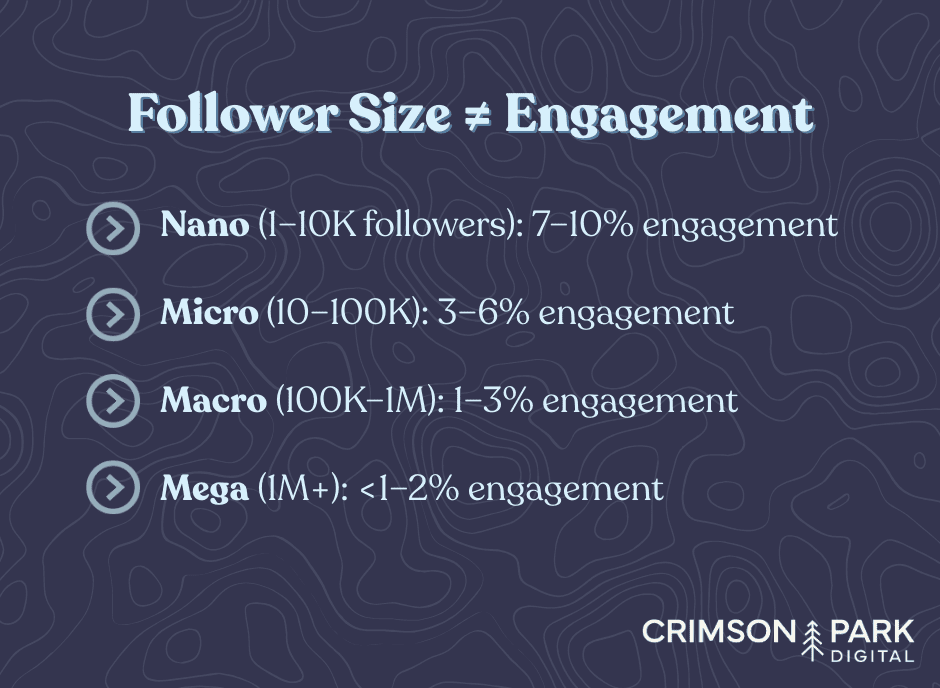
And here’s the fun part. Bigger follower counts don’t automatically mean better results. What actually matters is the quality of their audience and whether people are genuinely interacting with their content.
If you’re curious which influencer mix makes the most sense for your brand, that’s where a team like CPD steps in. We help you cut through the noise and build a creator strategy that actually works.