
If you’ve run a Google Ads campaign in the last few years, you’ve probably noticed something: AI is everywhere.
It writes headlines. It adjusts bids. It recommends audiences. It decides which ad combinations to serve. Some platforms can even build campaigns with just a few prompts.
It’s tempting to think AI is taking over PPC advertising, but that couldn’t be further from the truth.
While artificial intelligence has become a powerful tool, it hasn’t replaced strategy. In fact, the more AI becomes part of paid advertising, the more important it is to have experienced marketers guiding the bigger picture.
Today’s best PPC campaigns aren’t powered by automation alone. They combine AI with thoughtful audience targeting, compelling creative, optimized landing pages, and a clear understanding of how customers actually search, research, and make decisions.
Here’s what brands should know about the future of PPC and where the biggest opportunities are right now.
AI Is Making PPC Smarter, Not Simpler
Years ago, PPC managers spent countless hours adjusting bids, reviewing search terms, and making small campaign tweaks. Today, AI handles much of that heavy lifting.
Platforms like Google Ads and Microsoft Advertising analyze thousands of signals in real time to determine everything from bidding strategies to audience targeting and ad placements. That means campaigns can react much faster than manual optimizations ever could.
The catch? AI only works as well as the strategy behind it.
If your messaging misses the mark, your landing page creates friction, or your campaign is targeting the wrong audience, automation won’t magically fix those problems.
Think of AI as a highly capable assistant. It can process enormous amounts of data, identify patterns, and improve efficiency. It still needs someone steering the ship.
That’s where experienced PPC strategists make the difference. They know when to trust automation, when to override it, and how to build campaigns around real business goals instead of chasing vanity metrics.
Personalization Goes Beyond Demographics
Personalization used to mean showing different ads to different age groups or locations. Now it’s much more sophisticated.
Successful PPC campaigns focus on intent. Someone searching “best CRM software for small businesses” has very different needs than someone searching “CRM pricing” or “CRM implementation services.” They’re at different stages of the buying journey, so serving each person the same ad simply doesn’t make sense.
PPC campaigns now look at factors like:
- Search intent
- Previous website interactions
- Device type
- Geographic location
- Time of day
- Audience interests
- Customer journey stage
The goal isn’t to know everything about your audience. It’s about understanding what they’re looking for in that specific moment and creating an experience that feels relevant.
That same level of personalization should continue after someone clicks your ad.
Landing pages, calls to action, and messaging should all align with the promise made in the advertisement. When everything works together, conversion rates often improve because visitors don’t have to work to find what they’re looking for.
Your PPC Campaign Doesn’t Exist in a Vacuum
Here’s something more businesses are starting to recognize: People rarely discover your brand through a single channel anymore.
A potential customer might first see your company in an AI-generated search answer. Later, they read one of your blog articles, notice your brand mentioned in an industry publication, and finally click one of your paid ads when they’re ready to make a decision.
Every interaction builds familiarity. That’s why paid media works best when it’s part of a larger digital marketing strategy instead of operating independently.
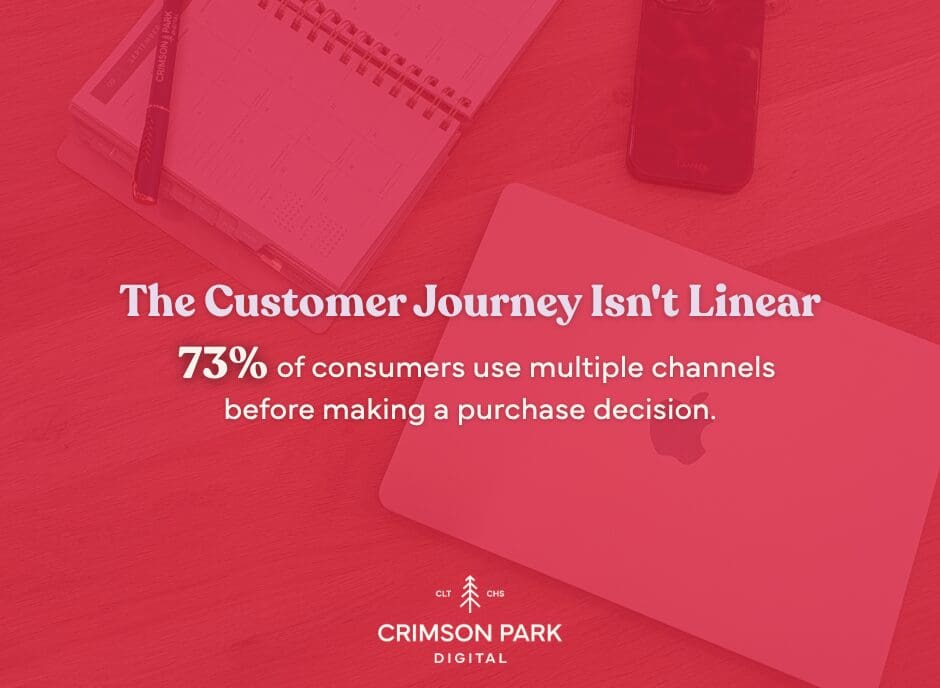
Strong organic visibility, helpful content, and a recognizable brand can all support paid advertising performance. When people have already encountered your business elsewhere, they’re more likely to click your ads and convert on your website.
It’s another reminder that marketing channels shouldn’t compete with each other. They should support one another.
AI Visibility May Be Influencing Paid Performance Too
As AI-powered search experiences continue to evolve, marketers are paying attention to an interesting trend.
Many AI platforms pull information from trusted, authoritative sources across the web when generating responses. That means where your brand appears online may become increasingly important, not just for organic visibility but for overall brand recognition.
Some advertisers are beginning to explore whether sponsored content, digital PR, and placements in credible industry publications can complement traditional lead generation campaigns.
The idea isn’t to replace performance marketing. It’s to create more opportunities for potential customers (and AI systems) to encounter your brand before someone searches for your product or service.
Research in this area is still developing, but it’s an exciting shift that reinforces what we’ve long believed: visibility matters at every stage of the customer journey.
The strongest paid media strategies don’t just capture existing demand. They also help build brand awareness that supports future conversions.
Automation Can’t Rescue a Weak Landing Page
We’ve seen it happen countless times. A business invests in paid advertising, drives qualified traffic to its website, and then wonders why conversions aren’t happening.
The problem isn’t the ads. It’s the experience after the click.
Even the smartest AI can’t compensate for a confusing landing page, outdated messaging, slow load times, or a form that’s too complicated.
Every PPC campaign should guide visitors toward one clear next step. Whether that’s scheduling a consultation, requesting a demo, or making a purchase, removing unnecessary friction often has just as much impact as improving the ads themselves.
That’s why successful paid campaigns don’t stop at ad creation. They consider the entire customer experience from the first impression through the final conversion.

Video Continues to Earn More Attention
Static image ads still have their place, but video has become one of the most engaging formats across paid media platforms.
Short-form videos on YouTube, Meta, LinkedIn, and other platforms give brands an opportunity to educate, demonstrate products, answer common questions, and build trust in just a few seconds.
The good news? Professional doesn’t have to mean overproduced. Many of today’s highest-performing ads feel authentic, approachable, and helpful. Customers respond to brands that sound human, not scripted.
Whether it’s customer testimonials, behind-the-scenes content, product demonstrations, or quick educational videos, thoughtful creative can help your brand stand out in increasingly competitive ad spaces.
Success Isn’t About More Clicks. It’s About Better Results.
Clicks are important. Impressions matter. But neither tells the full story.
The real question is whether your paid campaigns are driving meaningful business outcomes.
Today’s PPC strategies should focus on metrics like:
- Qualified leads
- Cost per acquisition
- Conversion rate
- Return on ad spend (ROAS)
- Revenue generated
- Customer lifetime value
AI provides more data than ever before, but data only becomes valuable when it’s used to make smarter decisions.
That’s why ongoing optimization, testing, and strategic adjustments remain essential. The platforms continue to evolve, customer behavior changes, and what worked six months ago may not be the best approach today.
AI Isn’t Replacing Great Marketing. It’s Raising the Bar.
AI has changed the way PPC campaigns are built, managed, and optimized, but it hasn’t replaced the need for thoughtful strategy.
The brands seeing the strongest results aren’t relying on automation alone. They’re creating seamless experiences across paid media, organic search, AI visibility, landing pages, and content marketing to build trust long before someone clicks “Book Now.”
As search continues to evolve, successful advertising will become less about chasing algorithms and more about creating genuinely helpful experiences that connect with the right audience at the right time.

That’s where Crimson Park Digital comes in. Our team combines paid media expertise with SEO and GEO, content strategy, creative, and data-driven insights to build campaigns that do more than generate clicks. We help brands grow with marketing strategies designed for where search is headed next. Ready to make your advertising budget work smarter? Let’s build a PPC strategy that delivers meaningful results.


