Storytelling on social media is not about crafting the perfect caption or chasing the latest trend. It is about showing up with intention and letting people experience what it feels like to engage with your brand. The calm before a busy day. The small moments that add up to trust. The behind-the-scenes effort most people never notice, but always appreciate.
When done right, storytelling builds trust, sparks emotion, and turns passive scrollers into engaged followers and eventually loyal customers.
For brands rooted in care, experience, and place, storytelling is where connection begins. Most brands just do not realize how compelling their everyday moments already are.

Why Storytelling Works So Well on Social Media
People do not open Instagram, TikTok, or LinkedIn hoping to see ads. They open these platforms to feel something. Inspiration. Curiosity. Connection. Even reassurance.
Stories tap directly into that mindset.
A well-told story feels less like marketing and more like a conversation. It invites people in instead of talking at them. That is why storytelling consistently outperforms overly promotional content across platforms.
Strong storytelling helps brands:
- Feel more human and approachable
- Build credibility and trust over time
- Increase engagement like comments, shares, and saves
- Stay top of mind without sounding salesy
For industries such as healthcare services, where trust is everything, storytelling is especially powerful. It creates comfort before a decision is ever made.
What Brand Storytelling Actually Is (and What It Is Not)
Storytelling does not mean writing a novel in your caption or forcing a dramatic arc where one does not exist. Brand storytelling is about showing real moments with intention.
That could look like:
- A behind-the-scenes look at how your team collaborates
- A day-in-the-life moment that reflects your values
- A client win framed as a journey, not a brag
- An educational post that meets people where they are
What storytelling is not:
- Overly polished corporate speak
- Buzzwords stacked on buzzwords
- Posts that explain everything and leave nothing to curiosity
Good stories leave a little unsaid. They create intrigue and make people want to learn more.
The Building Blocks of Effective Social Media Stories
Every strong story shares a few common ingredients. These are not secrets, but mastering them takes experience and consistency.
Authenticity Comes First
People can spot forced content instantly. Stories resonate when they feel real. That does not mean every post needs to be raw or unfiltered. It means your content should reflect who you actually are. Your tone, your values, your people. Audiences connect with honesty far more than perfection.
A Clear Thread
Even short social posts need direction. A strong story has flow. It introduces an idea, builds interest, and lands somewhere meaningful. Without structure, content feels scattered. With it, even simple posts feel intentional.
Emotion Over Explanation
Facts inform. Emotion motivates.
The most effective stories focus less on explaining every detail and more on how something feels. Relief. Confidence. Pride. Excitement. Trust. Those feelings are what people remember long after they scroll away.
Consistency Builds Recognition
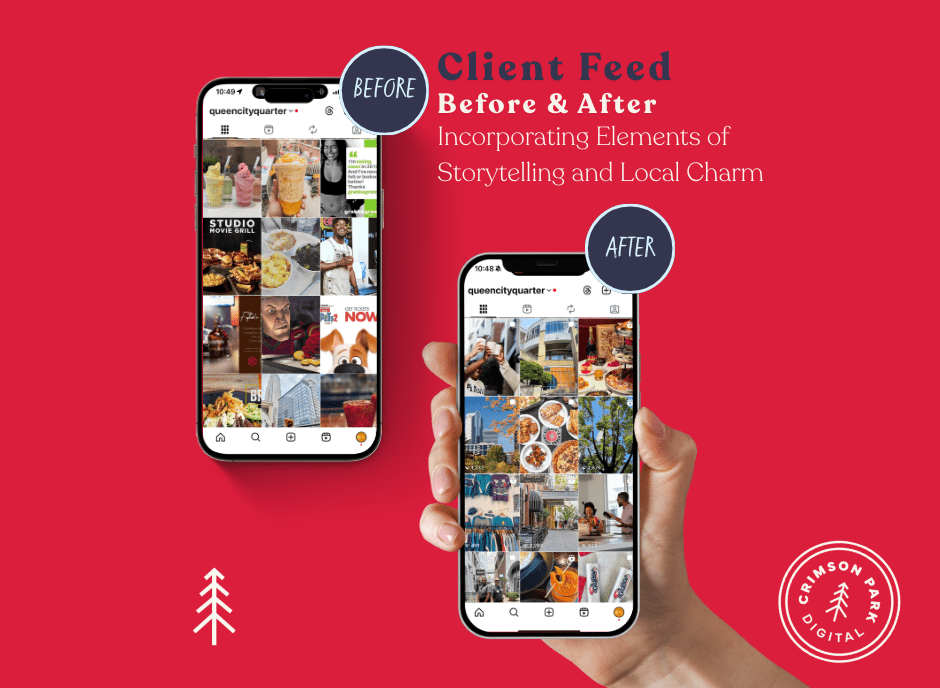
Storytelling works best when it feels familiar. A consistent voice, visual style, and message help audiences recognize your brand instantly.
This is where many brands struggle and where having an agency partner makes a real difference.
Knowing Who You Are Talking To Changes Everything
Great stories start with understanding your audience. Not just demographics, but real motivations.
- What questions are they asking before they ever reach out?
- What concerns are holding them back?
- What would make them feel confident choosing you?
A hospitality brand might focus on experience and atmosphere. A healthcare organization might prioritize clarity and reassurance. A mixed-use development might tell stories about community and connection.
When stories reflect the audience’s mindset, engagement feels natural rather than forced. Listening matters here. Comments, DMs, reviews, and even the questions your sales team hears all provide insight into what stories will land best.
Choosing the Right Social Platforms for Your Stories
Not every story belongs everywhere. Each social platform has its own rhythm and expectations.
Instagram thrives on visual storytelling and short-form video. Think moments, personality, and atmosphere.
Facebook allows more room to expand and explain, making it ideal for community-driven stories and longer narratives.
LinkedIn works well for professional insights, thought leadership, and behind-the-scenes looks at company culture.
Short-form video platforms reward creativity, authenticity, and clarity.
The key is matching the story to the space rather than forcing the same content everywhere.
Formats That Keep People Watching and Reading
Storytelling is not limited to one format. In fact, variety keeps your content feeling fresh.
Some formats that consistently perform well:
- Short-form video that captures attention quickly
- Carousel posts that unfold a story slide by slide
- Photo posts paired with thoughtful captions
- Educational content framed through real scenarios
- Behind-the-scenes content that shows process, not just results
Interactive elements like polls, questions, or prompts also invite audiences to participate rather than just consume.
Visual Storytelling Makes the Story Stick
Visuals stop the scroll. Stories keep the attention. Strong imagery and video do not have to be overly produced, but they should feel intentional. Lighting, composition, and consistency all play a role in how your brand is perceived.
Captions should enhance the visual, not repeat it. The best pairings add context, emotion, or insight that deepens the story. When visuals and words work together, content feels cohesive and memorable.
Community Stories and User-Generated Content
Some of the most powerful stories do not come directly from the brand. User-generated content builds trust instantly. It shows real people engaging with your business in real ways.
This might include:
- Client testimonials shared visually
- Community events and experiences
- Reposted content from customers or partners
These stories feel authentic because they are. They also reinforce that your brand is part of something bigger than itself.
Measuring What Actually Matters
Not every story needs to go viral to be successful. Metrics like saves, shares, comments, and meaningful DMs often matter more than likes alone.
Patterns tell the real story. What formats consistently perform well? What topics spark conversation? What posts lead to profile visits or inquiries?
This is where strategy meets storytelling. Data helps guide what to double down on and what to refine.
Staying Relevant Without Chasing Every Trend
Trends come and go fast. Stories with substance last longer. Paying attention to trends is important, but only when they align with your brand voice and audience expectations. Adaptation should feel natural, not forced. The goal is relevance, not imitation. Brands that balance timely content with timeless storytelling stand out in crowded feeds.
Where Many Brands Get Stuck
Most businesses know storytelling matters. Where they struggle is execution.
Common challenges include:
- Inconsistent posting
- Unclear brand voice
- Content that feels too sales-driven
- Not knowing what stories to tell or how to tell them
That is where partnering with a digital marketing agency makes sense. Strategy, creativity, and consistency working together are what turn good ideas into real results.
Stories Build Relationships Before Sales
Storytelling is not about tricks or hacks. It is about connection.
When brands show up with intention, clarity, and personality, engagement follows. Trust builds. Recognition grows.
Social media becomes less about filling a content calendar and more about building relationships that last.
And while anyone can post, crafting stories that truly move people takes experience, insight, and strategy.
That is where we come in!

Ready to Tell Better Stories?
At Crimson Park Digital, we help brands turn everyday moments into meaningful stories that drive real engagement. From strategy to execution, we create social media content that feels human, intentional, and aligned with your business goals.
If you are ready to stop posting just to post and start telling stories that actually connect, let’s talk.