
Remember when the marketing funnel was the answer to everything? Someone discovers your brand, gets interested, does a little research, and eventually buys. Nice and tidy, right?
Today’s travelers have other plans.
Someone might discover a destination on TikTok, ask ChatGPT for hotel recommendations, save a dozen restaurants on Instagram, browse Reddit for local opinions, and book a trip before ever visiting the destination’s website. Someone else might follow a hotel for months before finally booking after seeing a friend’s vacation photos.
Same industry. Completely different journeys.
Travel planning doesn’t happen in a neat little sequence anymore. People bounce between platforms, discover places they weren’t even looking for, and get recommendations from sources marketers might not immediately think about.
So maybe it’s time to rethink the funnel and pay more attention to how travelers actually discover, research, and choose their next destination.
The Traveler Journey Has a Mind of Its Own
People plan trips in all kinds of ways. Maybe someone sees a video of a coastal town and immediately sends it to their group chat. A few days later, they research restaurants, check hotel availability, and look up things to do.
Or maybe they know they want a beach vacation but have absolutely no idea where to go. They start asking friends, browsing travel blogs, comparing destinations, and looking for somewhere that checks all their boxes.
The traditional marketing funnel can still be useful, but it no longer tells the whole story. Travelers are discovering brands in more places, switching between platforms, and gathering opinions from all kinds of sources before making a decision.
For travel marketers, that means looking beyond what happens after someone lands on your website. Where did they first hear about you? What caught their attention? What made them trust your destination enough to book?
Those are the questions worth asking.
Your Next Visitor Might Find You on TikTok, Not Google
Google is still a big part of travel research, but it’s no longer the only place people go for inspiration.
A couple might discover a weekend getaway through an Instagram Reel. A family might stumble across a Facebook post about a local festival. Someone planning a solo trip might spend an evening watching YouTube videos about the best places to visit in the Carolinas.
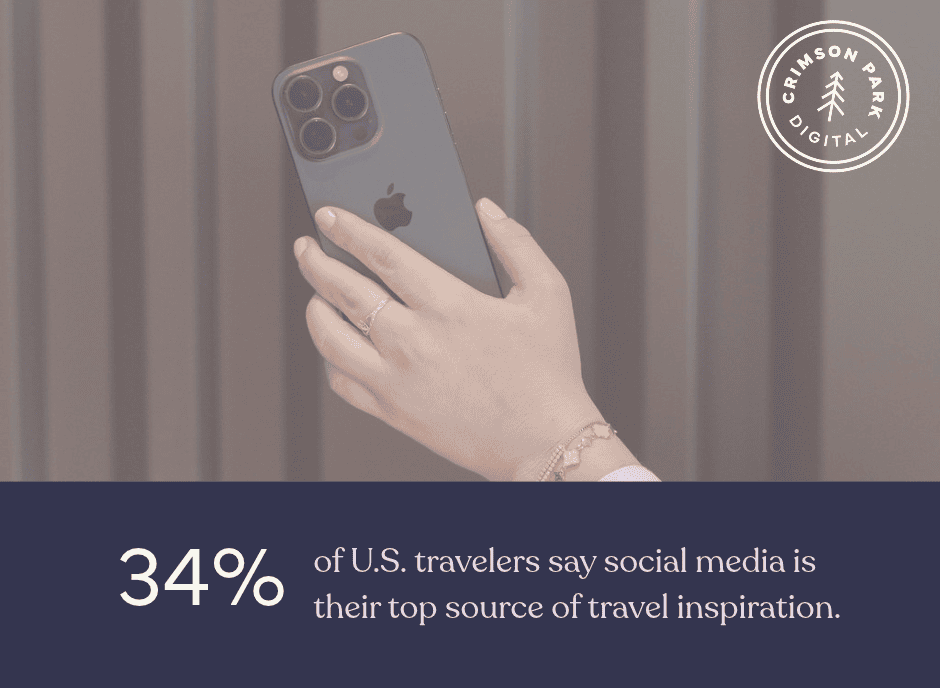
Social media isn’t just a place to post pretty pictures of beaches, hotel rooms, and restaurant dishes (although we’ll never complain about those). It’s where people get ideas.
A good video can introduce someone to a destination they’ve never considered. A local restaurant recommendation can inspire an entire afternoon itinerary. A creator sharing their experience can make a hotel feel much more appealing than another promotional photo.
The best travel content gives people a reason to stop scrolling and think, “Wait, I want to go there.”
And it doesn’t always need a huge production budget. Sometimes a quick video of a local experience or an honest recommendation can be more interesting than another perfectly staged tourism commercial.
AI Is Joining the Travel Planning Group Chat
Just when marketers were getting comfortable with social search, AI joined the conversation.
Travelers can now ask tools like ChatGPT for destination recommendations, weekend itineraries, hotel suggestions, and answers to oddly specific vacation questions.
Instead of simply searching “things to do in Charleston,” someone might ask, “Where should I go for a long weekend with great food and a walkable downtown?”
That’s a different kind of search, and it changes how travel brands need to think about online visibility.
Your website needs to offer more than generic descriptions about how wonderful your destination is. Travelers want useful details. What’s nearby? Who would enjoy the experience? What makes the location different? What should visitors know before they arrive?
This is where traditional SEO and AI search optimization work together. Helpful content, relevant local information, clear website structure, and a strong online presence all help search engines and AI tools understand what your brand offers.
And no, SEO isn’t dead. It’s just expanding.

Reddit, Reviews, and Word of Mouth Still Matter
Travelers don’t always want to hear what a brand says about itself. They want to know what actual people think.
Before booking a hotel, someone might head straight to the reviews. Before visiting a new city, they might search Reddit for local recommendations. Before choosing between destinations, they might look for travel creators who’ve visited both.
It’s the digital version of asking a friend, “Have you been there? Was it actually worth it?”
These conversations can have a surprising amount of influence. Positive visitor experiences, helpful local recommendations, and genuine reviews can make a destination even more appealing.
For tourism and hospitality brands, paying attention to these conversations is valuable. What are people asking about? Which attractions keep coming up? Are visitors looking for more family-friendly recommendations?
Sometimes the best content ideas come from questions your audience is already asking, not another keyword brainstorming session.
Stop Selling the Destination. Inspire with a Reason to Visit.
Imagine you’re marketing a coastal destination. You could talk about beautiful beaches, waterfront restaurants, historic attractions, and boutique hotels. All great things.
But someone planning a romantic weekend might care more about a quiet beach morning, a great seafood dinner, and somewhere to grab cocktails before heading back.
Same destination. Different reasons to visit.
Not everyone is looking for the same vacation, so why should every piece of content sound like it’s speaking to the same person?
Think about the different audiences you want to attract. Families might prioritize kid-friendly attractions and convenient accommodations. Foodies want local restaurants and culinary experiences. Adventure seekers are looking for trails, water sports, and outdoor activities. Couples might be drawn to boutique hotels and romantic dining.
The opportunity is to help travelers picture the experience, not just read a list of amenities.
Your Website Still Has a Very Important Job
With all these new ways to discover destinations, you might wonder whether your website is becoming less important.
Not a chance! Your website is still where travelers go to find details, compare options, and take action. But it shouldn’t have to carry your entire marketing strategy on its back.
Someone might discover your destination on Instagram, search for more information, read a blog about the best time to visit, and eventually head to your website to start planning.
Each interaction plays a part. Your social media, website, search presence, reviews, and paid campaigns should feel like different parts of the same experience.
And remember, not every interaction needs to result in an immediate booking. Sometimes a blog introduces someone to your destination months before they visit. A social post might inspire the trip, while a review gives them the confidence to finally make a reservation.
That’s why measuring success requires looking beyond the final click.
So, What’s Next for Travel Marketers?
We’re not saying the marketing funnel needs to disappear completely. But we do think it’s time to loosen our grip on it.
Travelers are scrolling, searching, asking questions, and finding inspiration in places we couldn’t have imagined a few years ago. Travel brands need to keep up.
That means looking beyond traditional search, creating content people actually want to share, paying attention to traveler conversations, and making sure your online presence gives people plenty of reasons to visit.

At Crimson Park Digital, we love helping destinations and hospitality brands connect the dots between SEO, AI search, social media, content, influencer marketing, and paid media. There’s a lot more to attracting your next visitor than simply filling a funnel.
Ready to rethink how your destination attracts travelers? Let’s chat. We’d love to help put your destination on more must-visit lists.


