
Why Meta Ads Still Have a Place in Healthcare Marketing
Even with new social platforms popping up, Facebook and Instagram remain powerful spaces to meet potential patients where they already are. Meta’s targeting capabilities allow healthcare organizations to connect with people who are most likely to need their services.
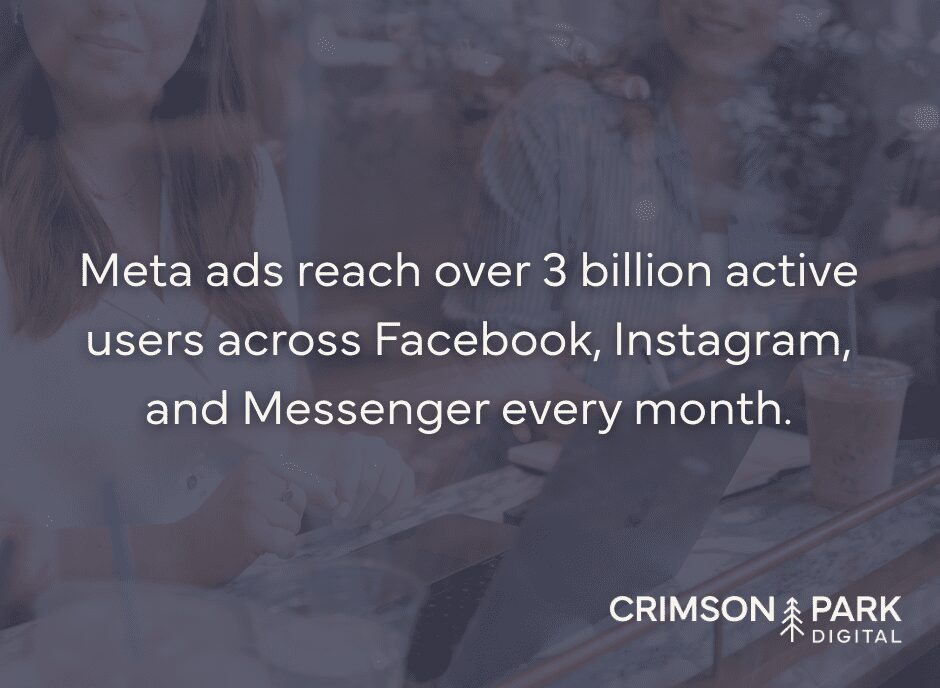
Here’s why they still matter:
Hyper-targeted reach: Meta knows more about user behaviors than most marketers ever could. This allows you to narrow in on audiences by age, location, and even interests that hint at potential healthcare needs.
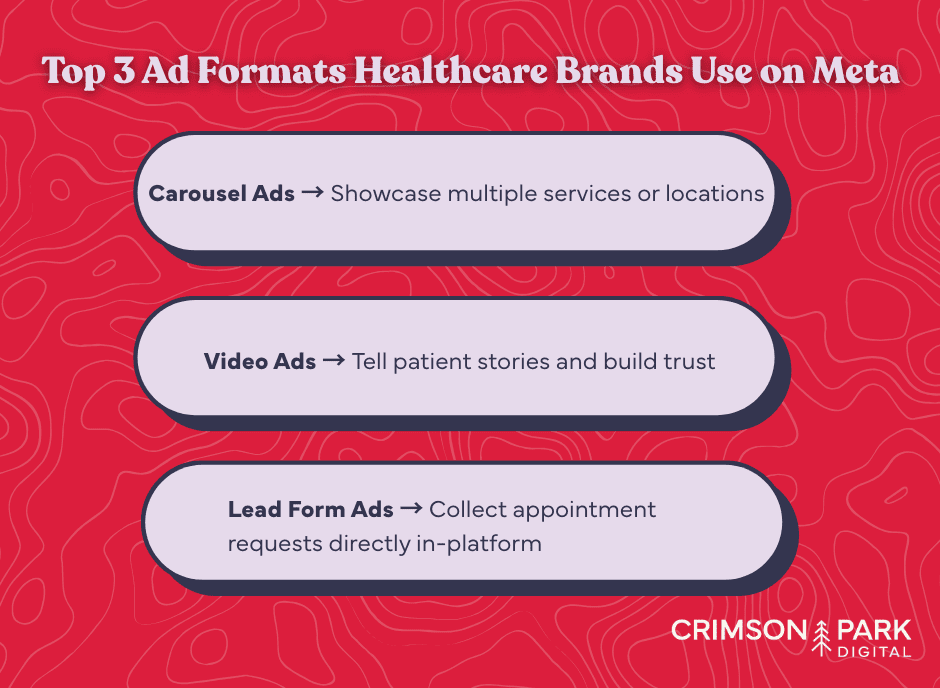
Versatile ad formats: From video ads featuring real patient stories to carousel ads highlighting multiple services, you can present your message in ways that grab attention and resonate.
High engagement potential: Social media is interactive by nature. A well-crafted ad can spark clicks, comments, and shares—driving awareness beyond your initial audience.
In a nutshell, Meta ads are like digital billboards that talk back. The question is whether your message is compelling enough to keep the conversation going.
The Healthcare Twist: Compliance Is King
Here’s where healthcare marketing gets tricky. Unlike most industries, you can’t just blast out an ad without considering privacy and compliance. One misstep with patient data or a misleading claim, and you could be facing serious penalties—not to mention lost trust.
Some realities to keep in mind:
- Patient privacy is non-negotiable. Anything that could reveal personal health information is off-limits.
- HIPAA compliance is your baseline. Meta ads must be crafted with extra caution around claims and imagery.
- Data use is limited. Hyper-personalization sounds great, but healthcare advertisers can only leverage data ethically and responsibly.
This is why so many healthcare providers lean on healthcare-experienced agencies for paid media management. We live and breathe these regulations, and staying ahead of compliance keeps campaigns both safe and effective.
Making Meta Ads Work: Targeting, Formats, and Storytelling
If compliance is the rulebook, strategy is the secret sauce. Meta ads work best when three elements align:
- Smart targeting: Connecting with the right people at the right time.
- The right format: Matching your message to the way your audience consumes content.
- Personalized storytelling: Ads that feel human win. A local urgent care might highlight a “weekend warrior” success story, while a vein clinic might share how a patient got back to evening walks without discomfort.
You don’t need to give away all the medical details. You just need to connect on a relatable, emotional level.
The Healthcare Ads That Perform Best Feel Human
Patients don’t connect with healthcare ads because they want to be marketed to. They connect because they recognize a problem they are experiencing and see a provider who understands their needs.
The most effective healthcare ads balance expertise with empathy. They don’t just highlight a service or procedure. They answer questions, address concerns, and help potential patients feel more confident about taking the next step.
For example, instead of leading with a procedure name or clinical terminology, healthcare ads can focus on the patient’s experience:
- “Living with knee pain that’s affecting your daily routine?”
- “Not sure if your symptoms require treatment?”
- “Exploring your options before considering surgery?”
- “Looking for a provider who understands your goals?”
These types of messages work because they meet patients where they are in their decision-making journey.
Strong healthcare ad creative often includes:
- Educational content: Helping patients understand conditions, treatments, and next steps.
- Patient-centered storytelling: Sharing relatable experiences (with proper consent) to build trust.
- Clear value propositions: Explaining how a provider can help without making unrealistic promises.
- Strong calls-to-action: Making it easy for interested patients to learn more or request an appointment.
The best healthcare ads don’t feel like advertisements. They feel like helpful resources from a provider patients can trust.
Do Meta Ads Actually Deliver ROI?
Healthcare organizations aren’t running ads for fun; they’re looking for booked appointments, new patient inquiries, and service awareness. A strong Meta ad campaign can generate all three, but success depends on clarity and consistency.
The metrics that really matter are click-through rates, conversions, and patient engagement. When these are monitored and optimized, Meta ads can offer an impressive return on investment.
Without strategy and tracking, though, ads can quickly turn into a money pit. That’s where the smart optimization from an expert partner makes all the difference.
How AI Is Changing Meta Advertising for Healthcare
Meta has continued shifting toward AI-driven campaign optimization, with tools that help advertisers identify audiences, test creative variations, and allocate budget more efficiently.
For healthcare marketers, this means the strategy is less about manually controlling every targeting option and more about giving Meta’s AI the right inputs to optimize campaigns effectively. Strong creative, clear conversion signals, accurate tracking, and compliant messaging all play a bigger role in helping campaigns reach the right audiences and drive better results.
Meta’s AI-powered advertising tools are helping healthcare organizations with:
- AI-assisted audience optimization: Meta can analyze campaign data and identify patterns to help reach users most likely to engage or take action.
- Automated placement decisions: Campaigns can automatically distribute ads across Facebook, Instagram, and other placements to find opportunities for better performance.
- Creative testing at scale: Healthcare marketers can test different visuals, formats, and messaging variations to understand what resonates most with their audience.
- Improved campaign performance insights: More advanced reporting and optimization tools help marketers identify what is working and make smarter budget decisions.
Creativity Meets Compliance
Healthcare advertising has to walk a fine line. Too clinical, and people scroll past. Too casual, and you risk undermining trust.
Creative approaches that work often include:
- Video testimonials (with patient consent) that share authentic stories
- Educational, snackable tips that solve common patient problems
- Carousel ads highlighting services in a visually compelling way
Combine that creativity with consistent A/B testing, and your campaigns can turn into lead-generation engines without crossing compliance lines.
When It’s Time to Call in the Experts
Managing Meta ads in healthcare is a lot to juggle. Between compliance, strategy, creative testing, and platform updates, many organizations simply don’t have the bandwidth to handle it in-house.
This is where a healthcare-focused digital marketing agency can change the game. Agencies like Crimson Park Digital can help you save time with end-to-end campaign management, keep your advertising fully compliant with HIPAA and platform rules, and unlock better ROI with advanced targeting and creative strategies.
Our clients often come to us after trying Meta ads internally, only to realize they weren’t getting traction. Once the campaigns are handled strategically, and optimized consistently, the results speak for themselves.
The Bottom Line: Meta Ads Are Worth It (If You Do Them Right)
Meta ads are still one of the most effective ways for healthcare providers to reach the right patients, increase awareness, and generate leads. But success isn’t about clicking “boost post” and hoping for the best. It’s about pairing creativity with compliance, tracking the right metrics, and optimizing constantly.
And if that sounds like a lot to take on while also running a practice or managing patient care, you’re right.

That’s why partnering with a marketing agency is the smartest move. We handle the complexity so you can focus on delivering care, while your ads work behind the scenes to bring new patients through your doors.
Ready to see what a strategic Meta campaign can do for your healthcare organization? Let’s talk about your paid media strategy.


